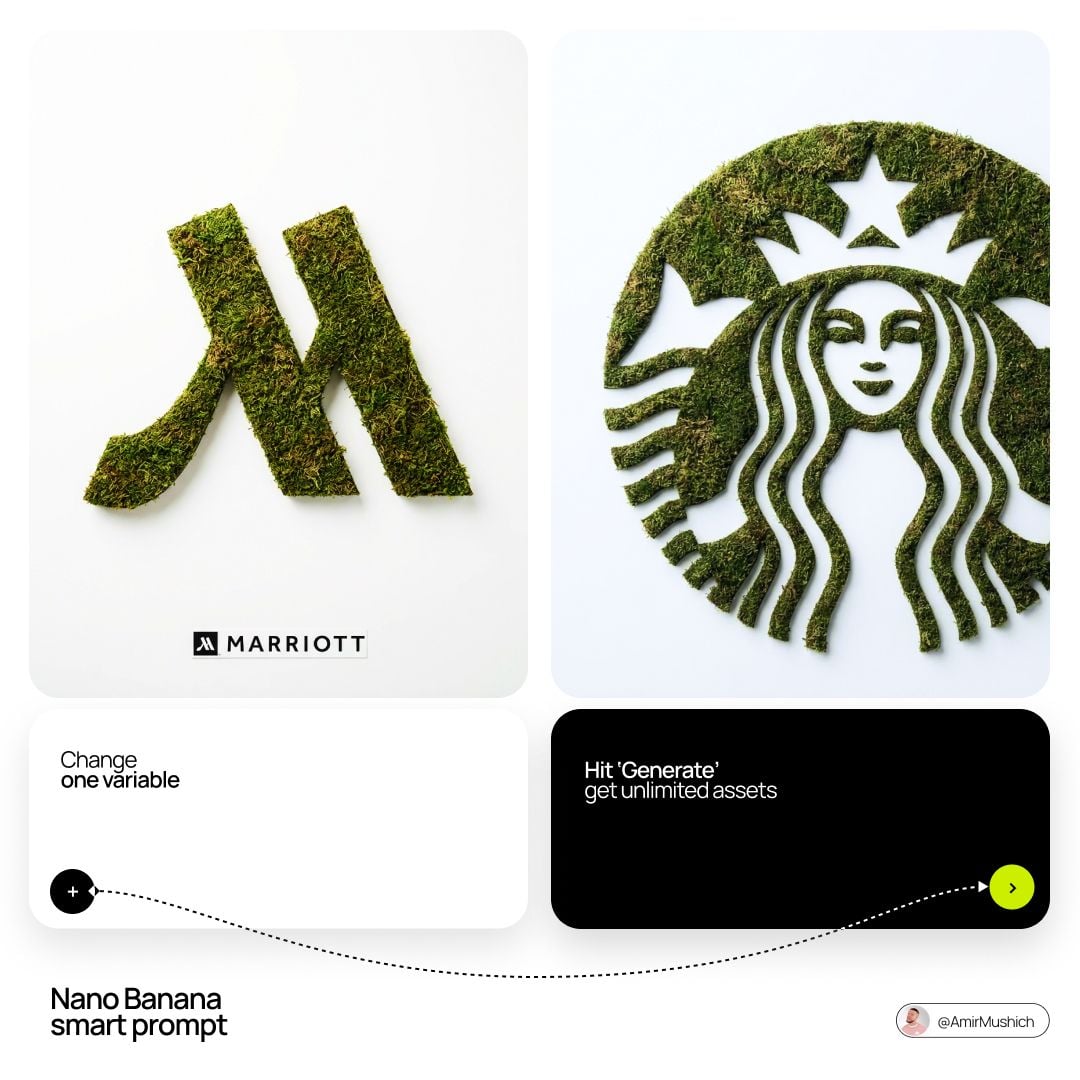
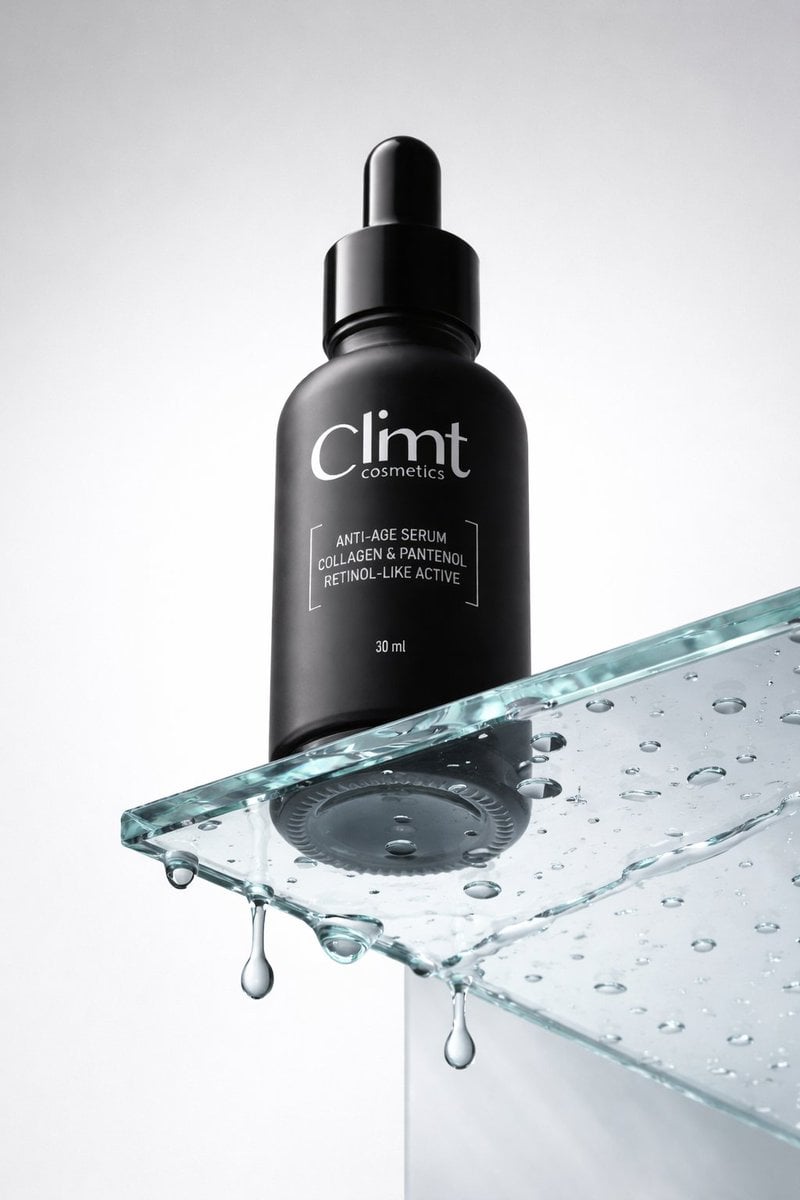
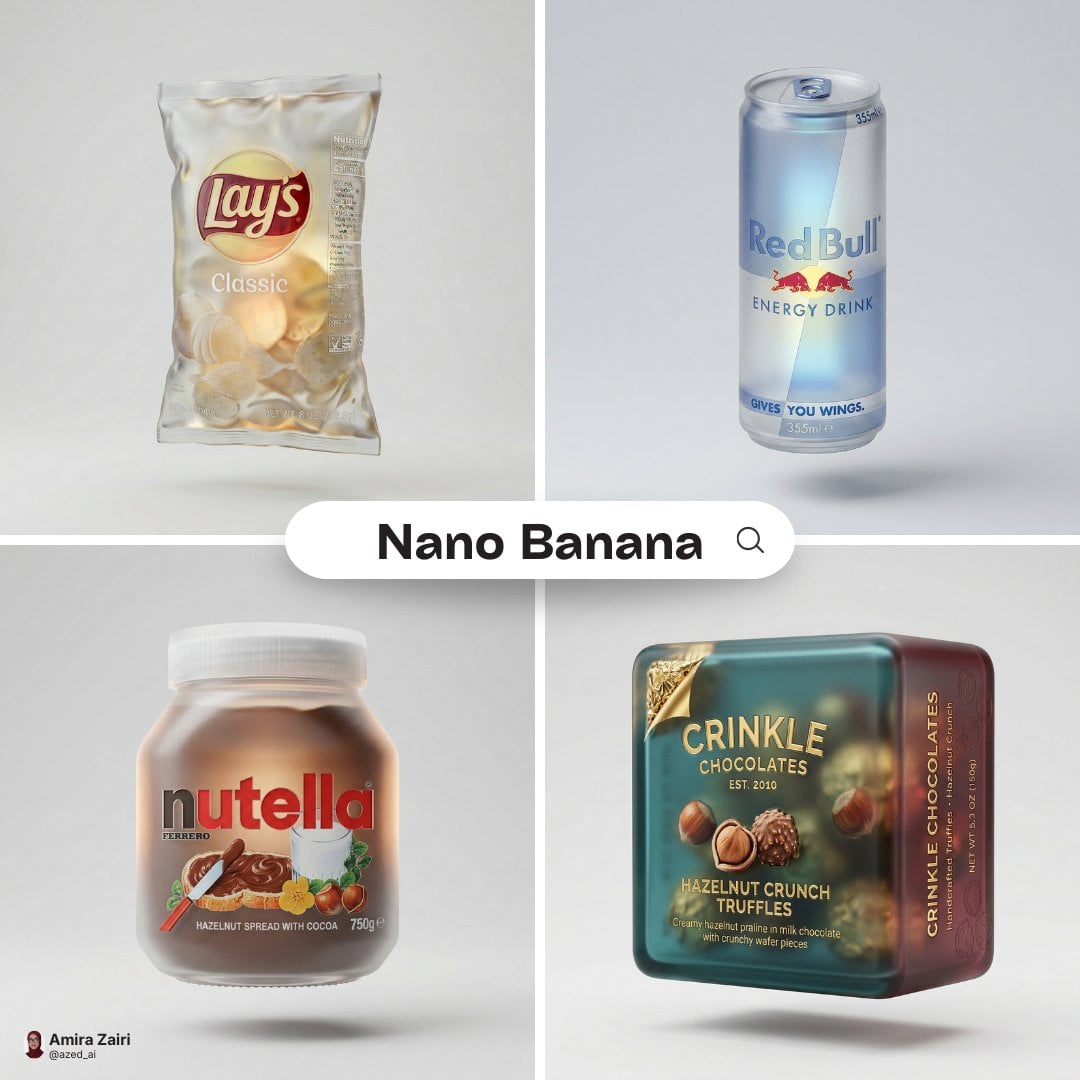
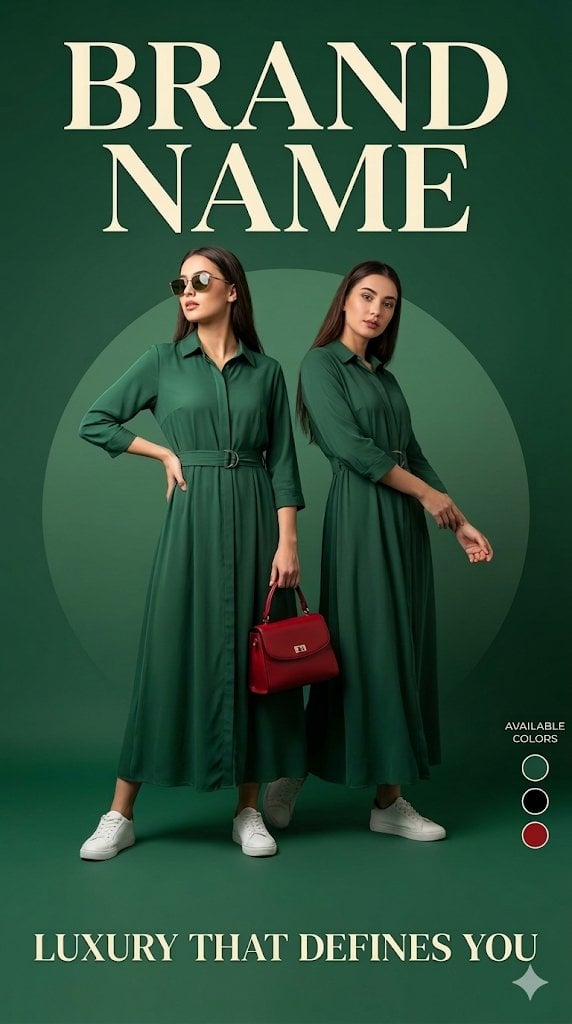
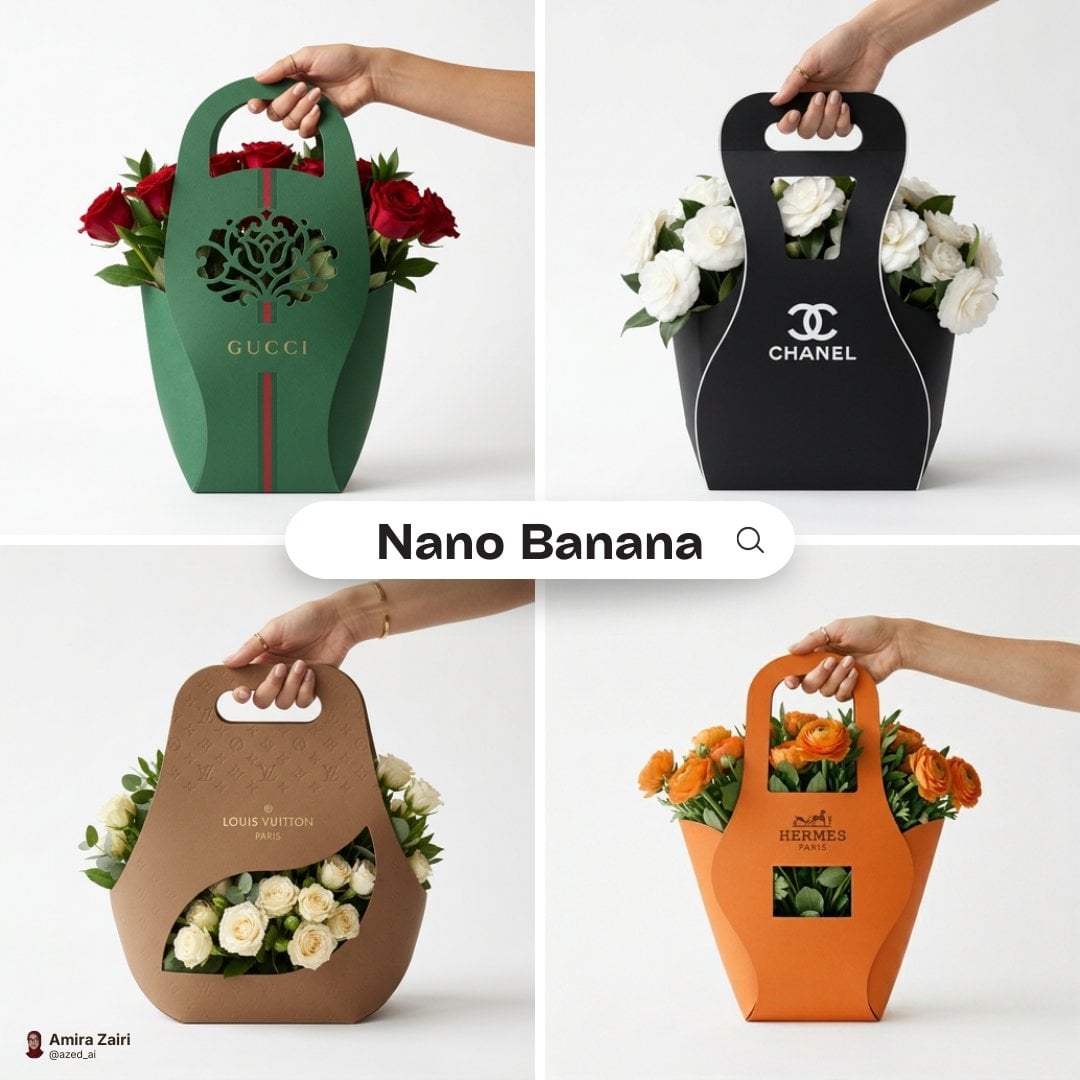
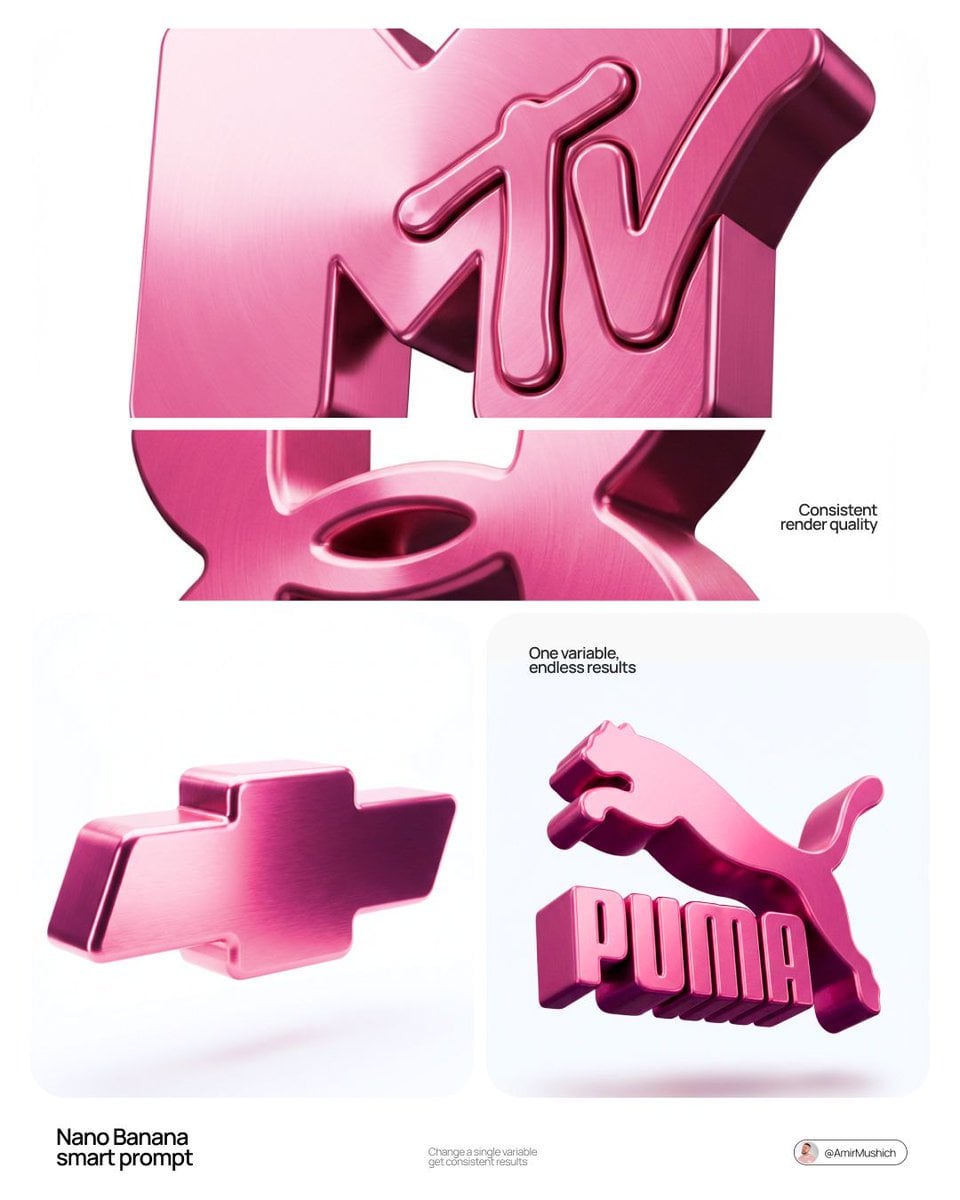
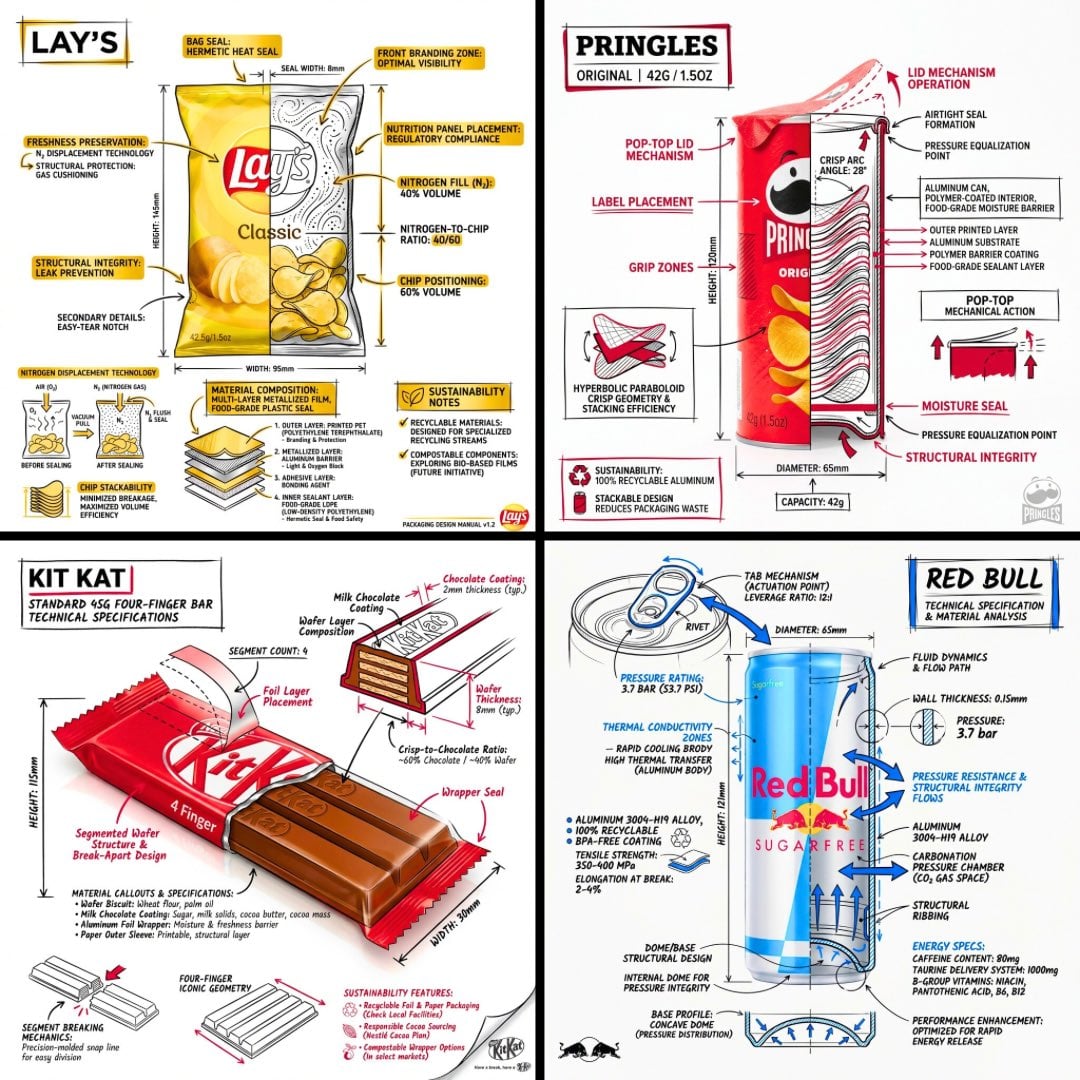
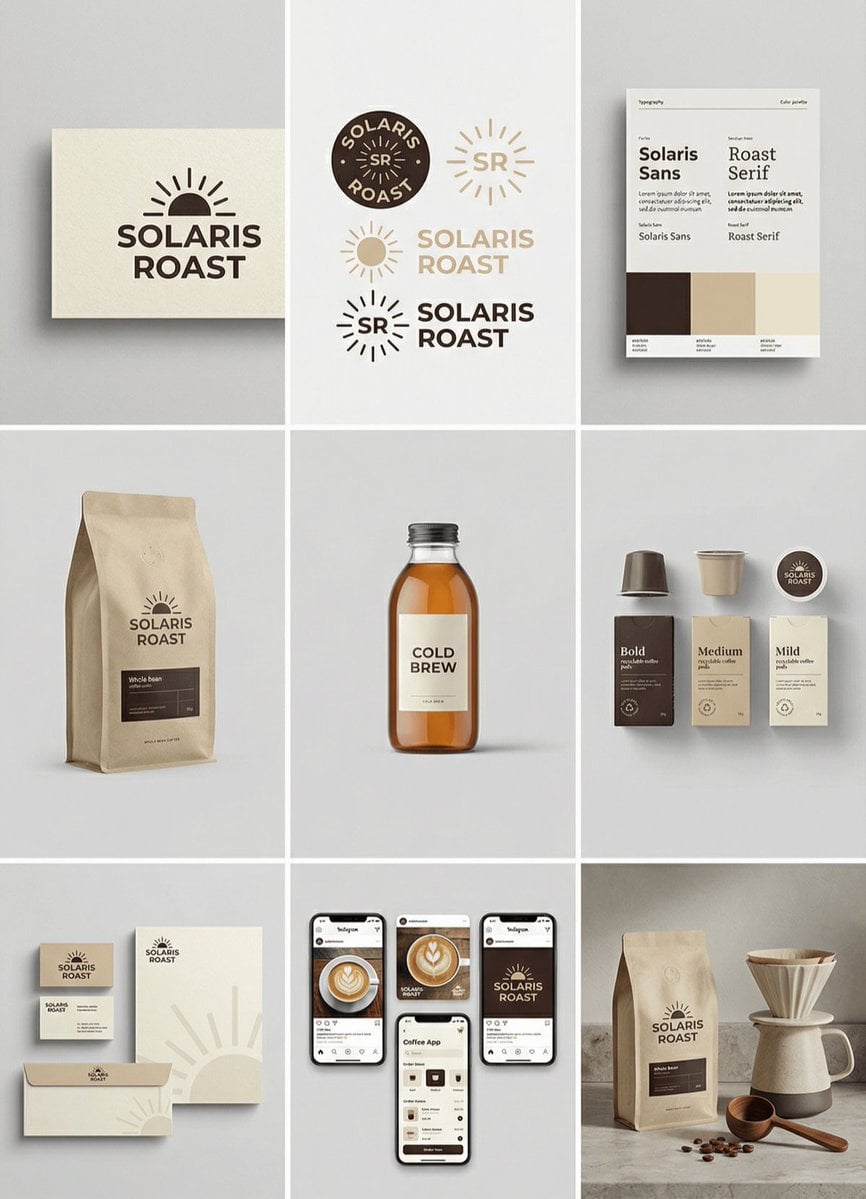
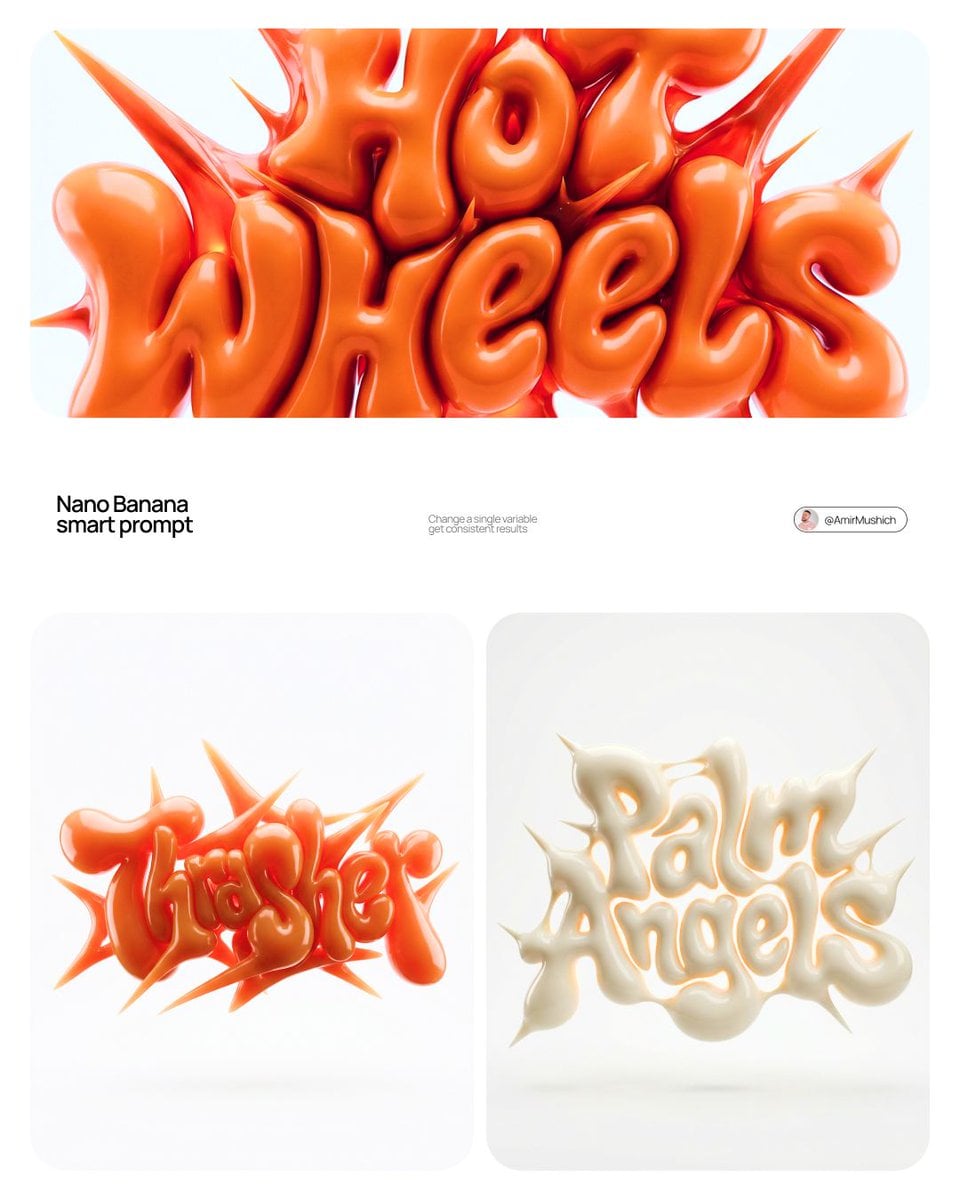
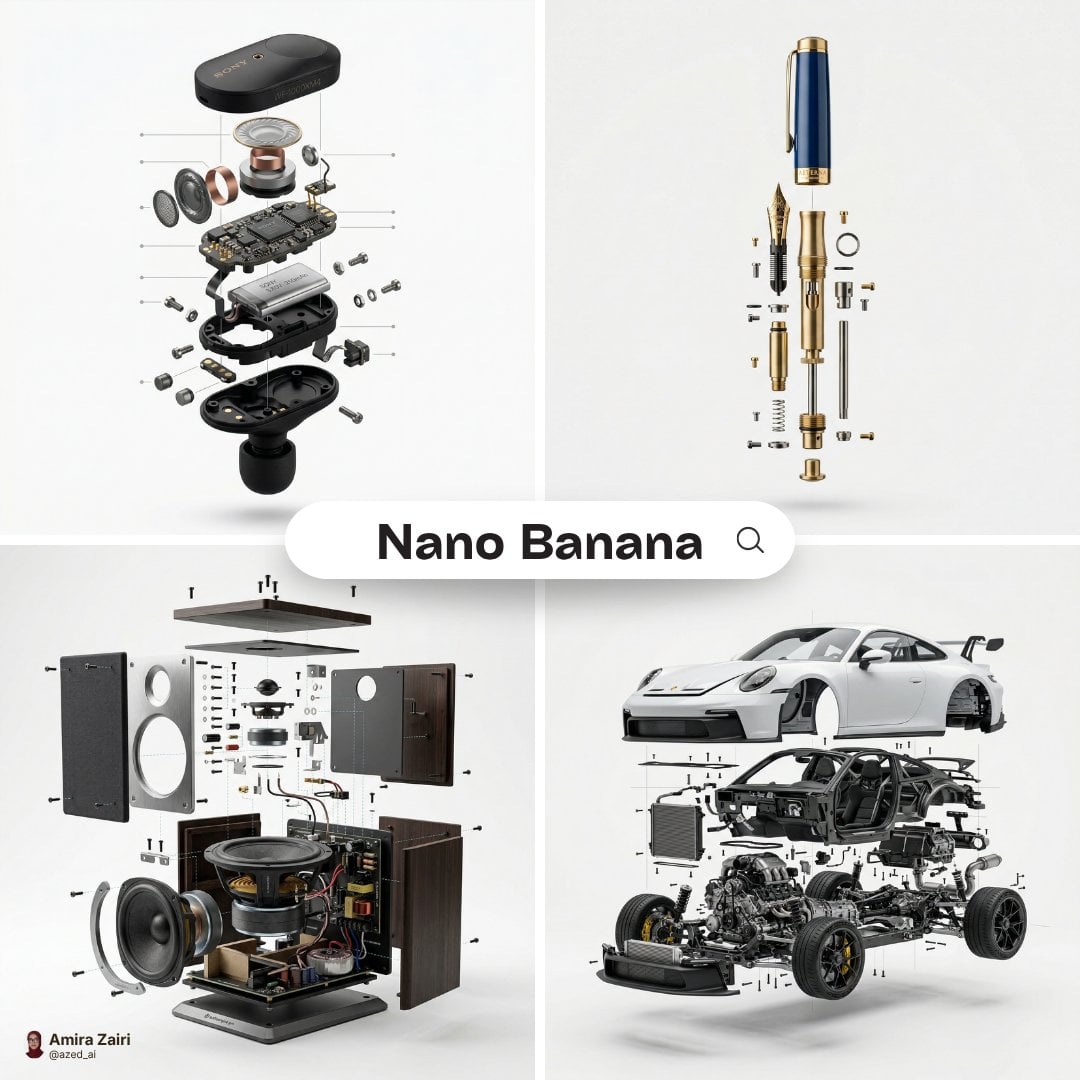
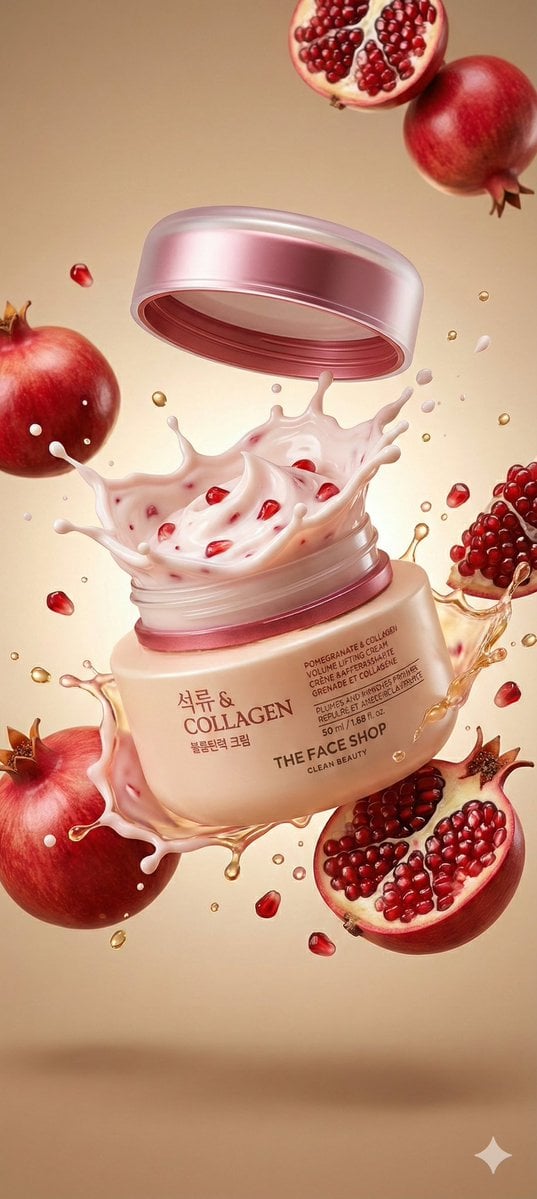
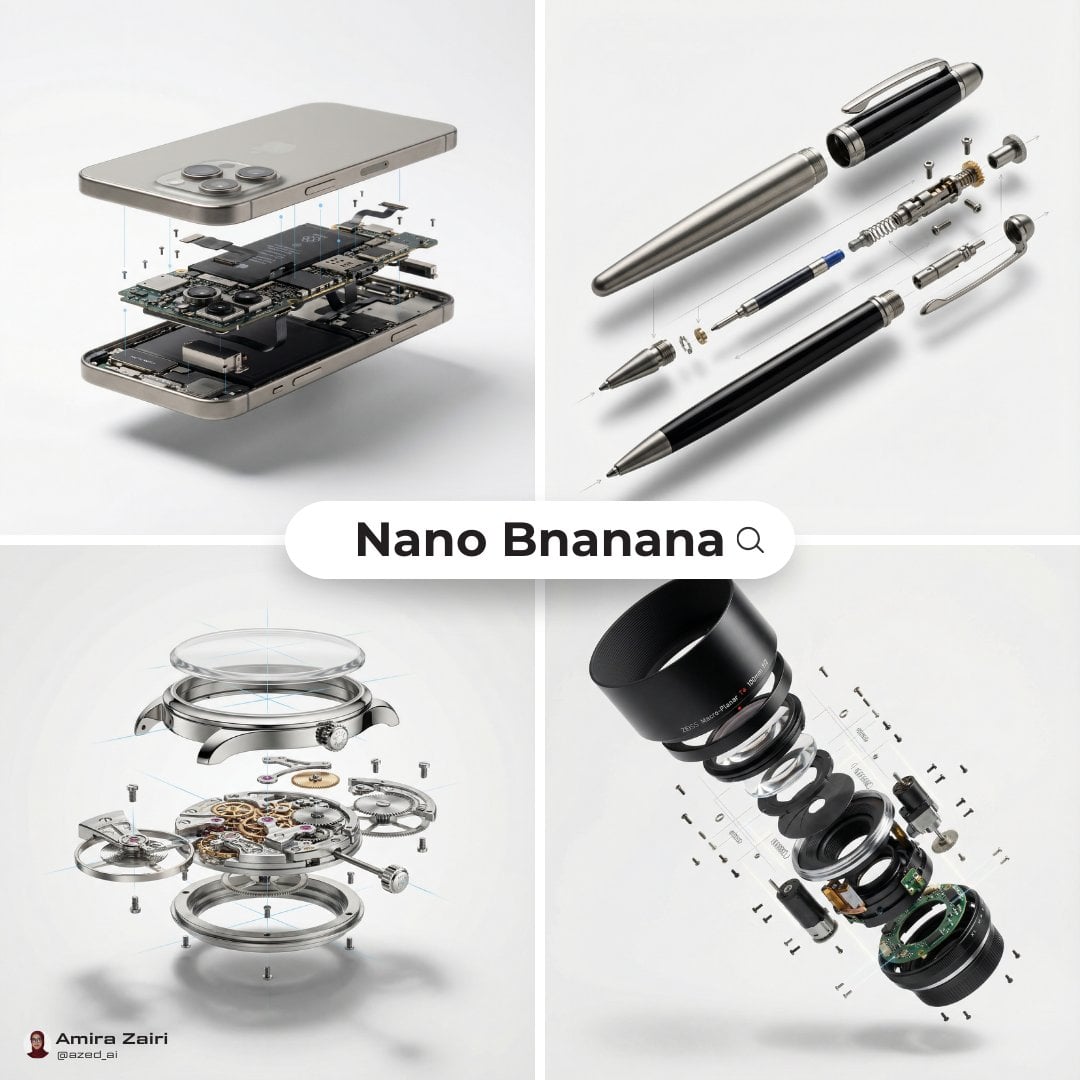
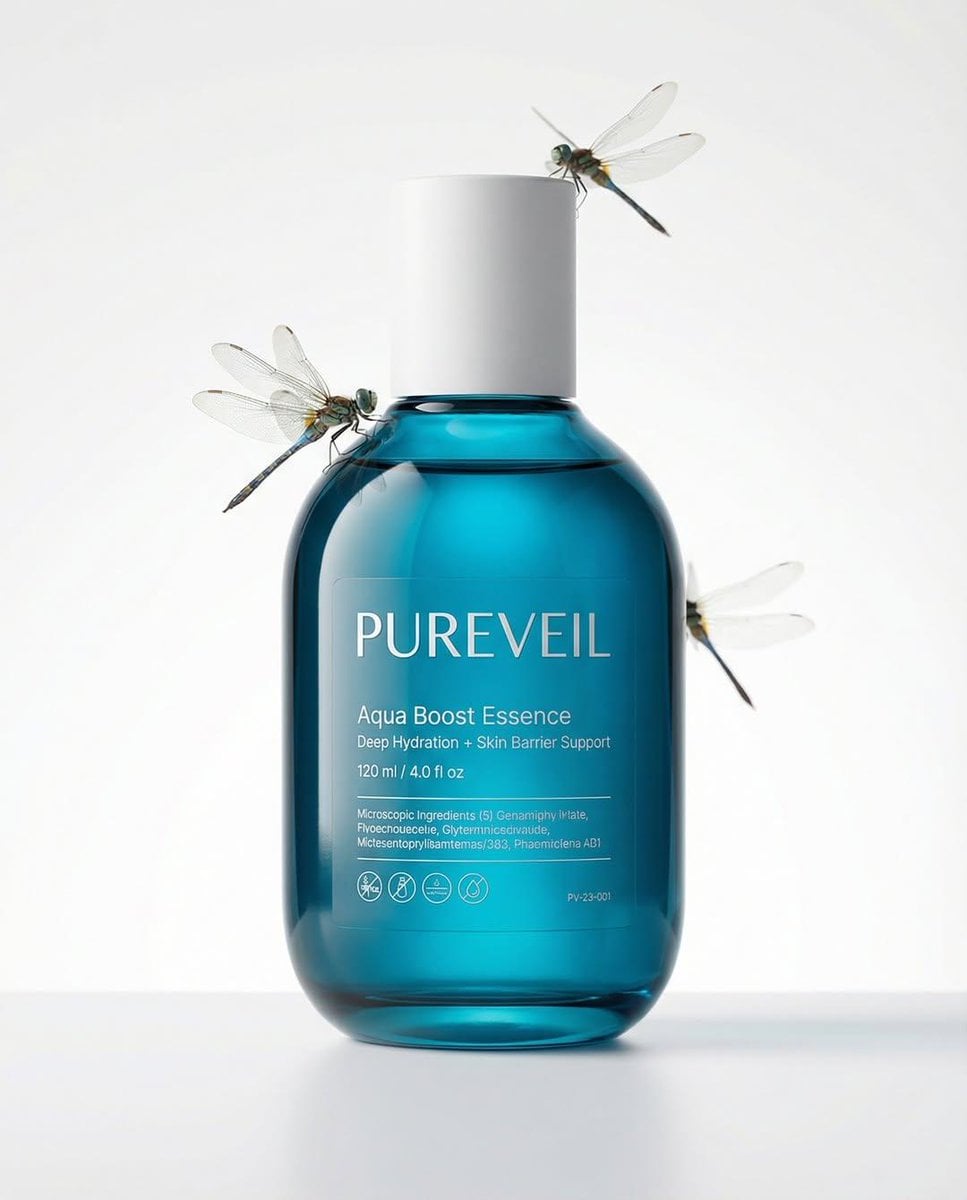
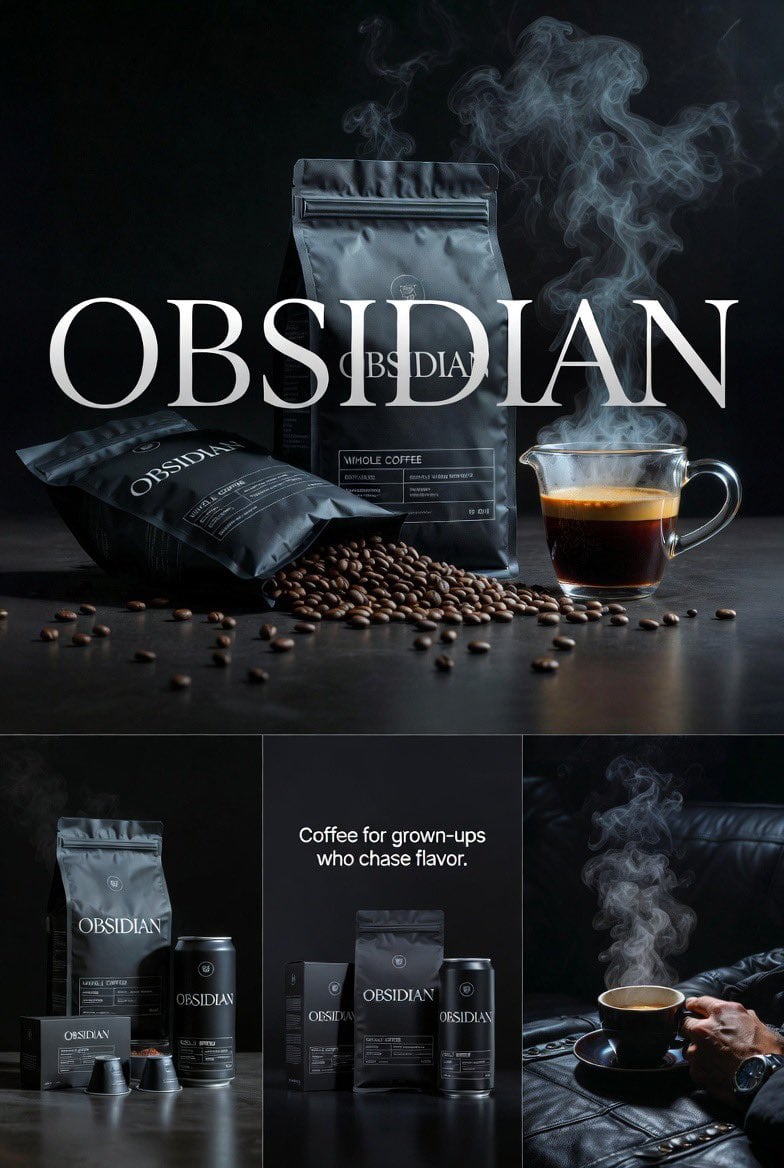
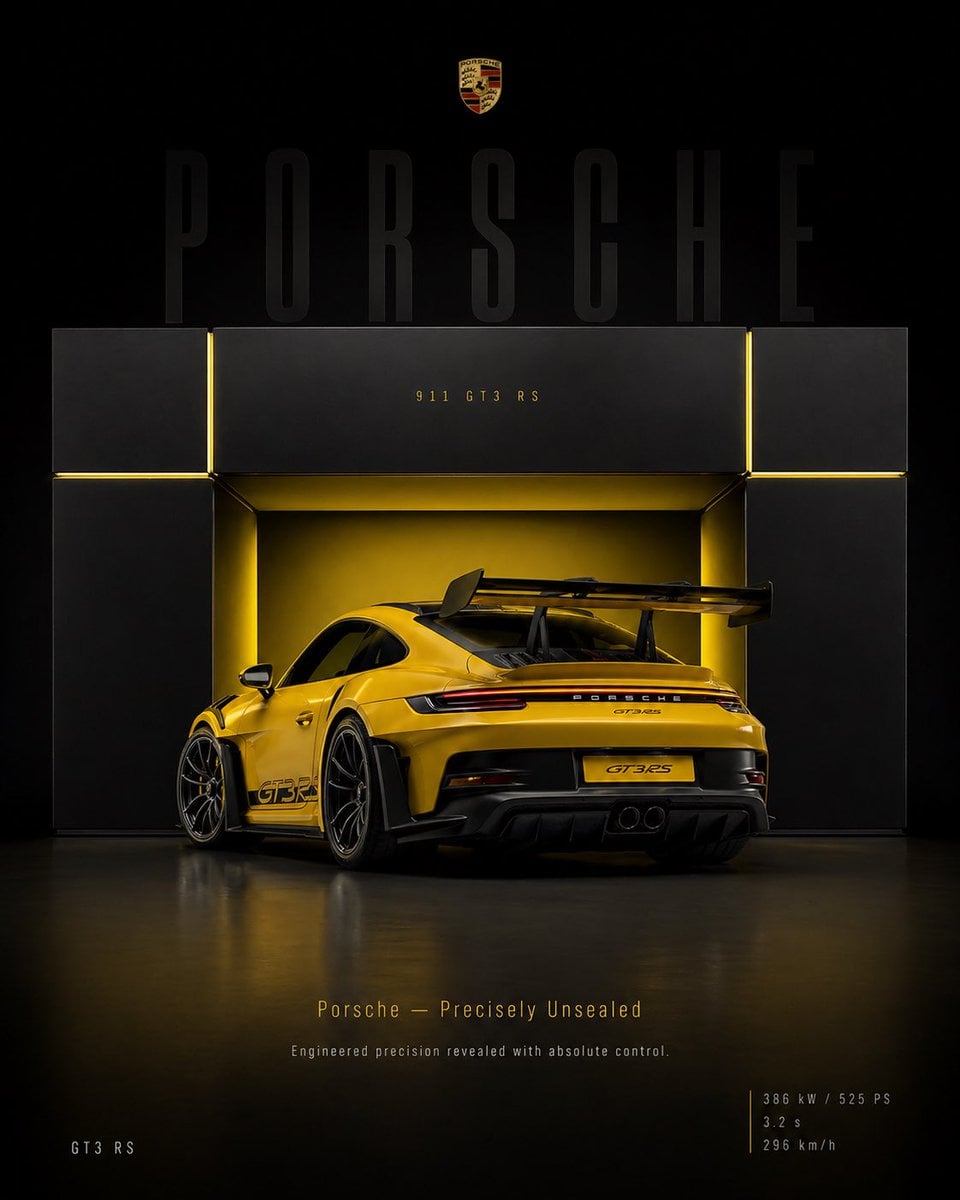
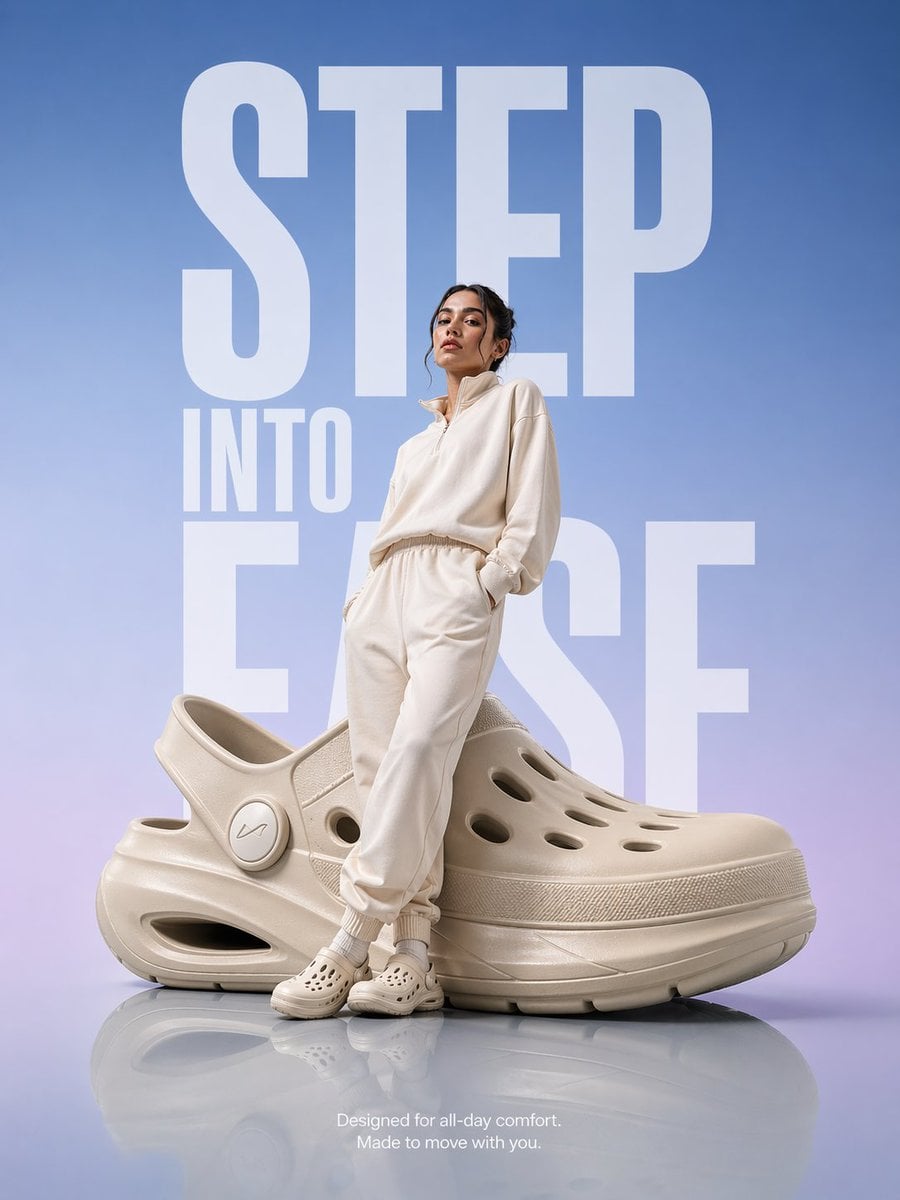
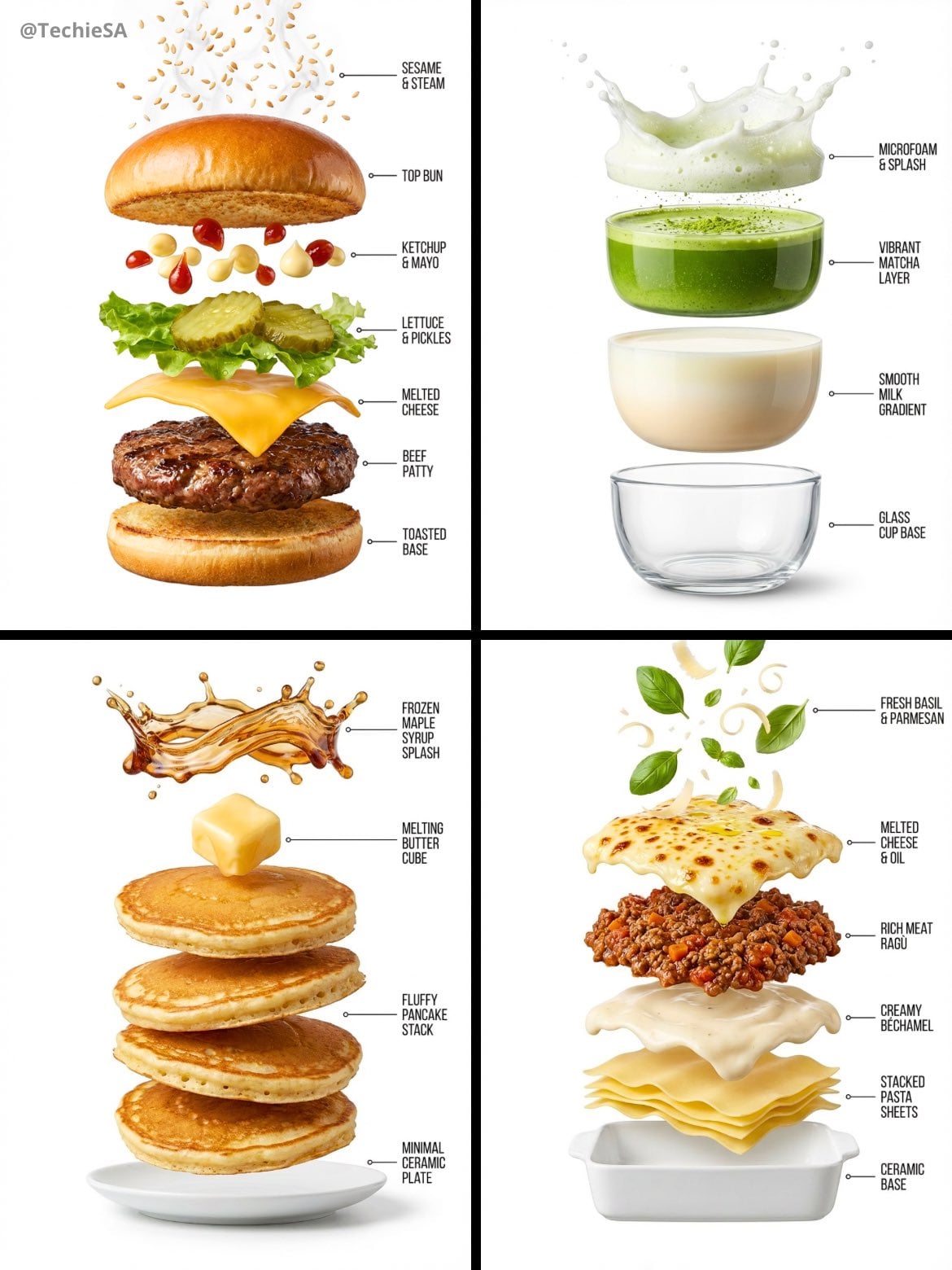
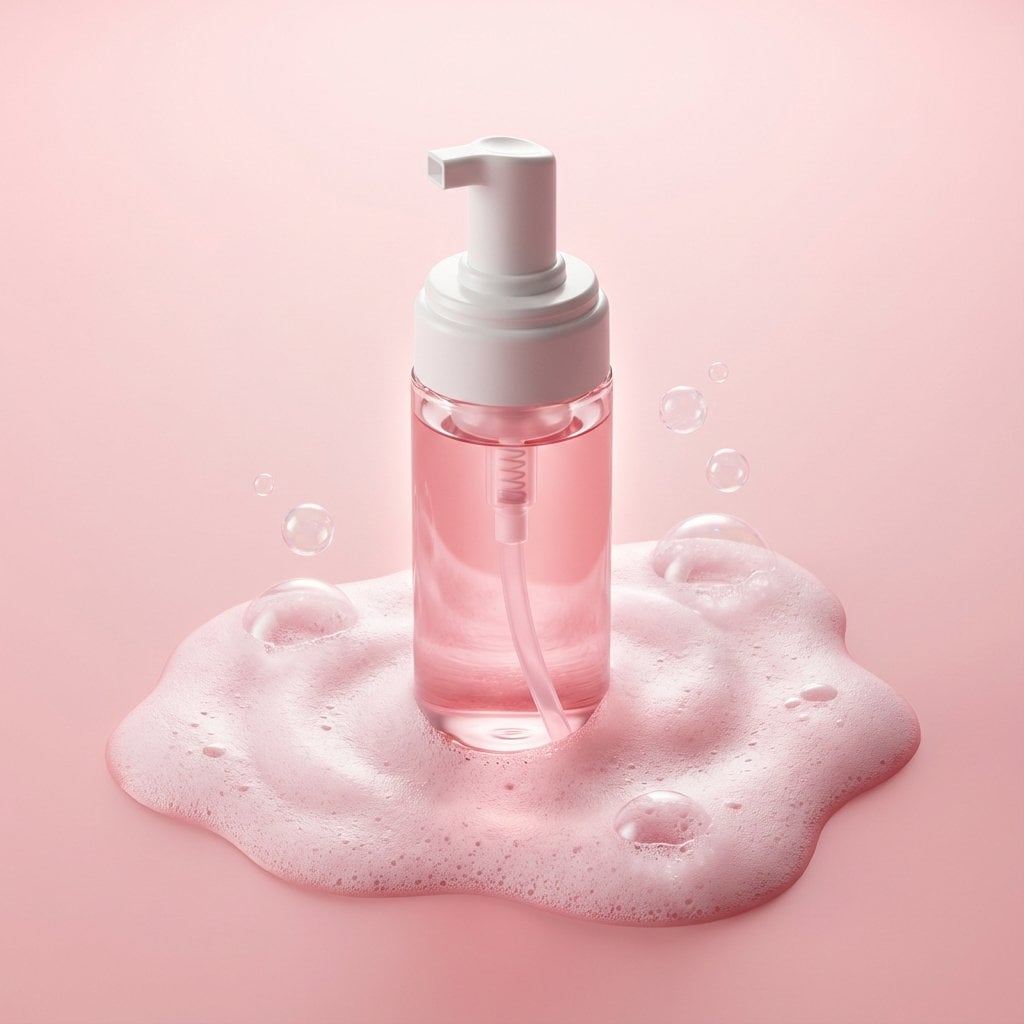
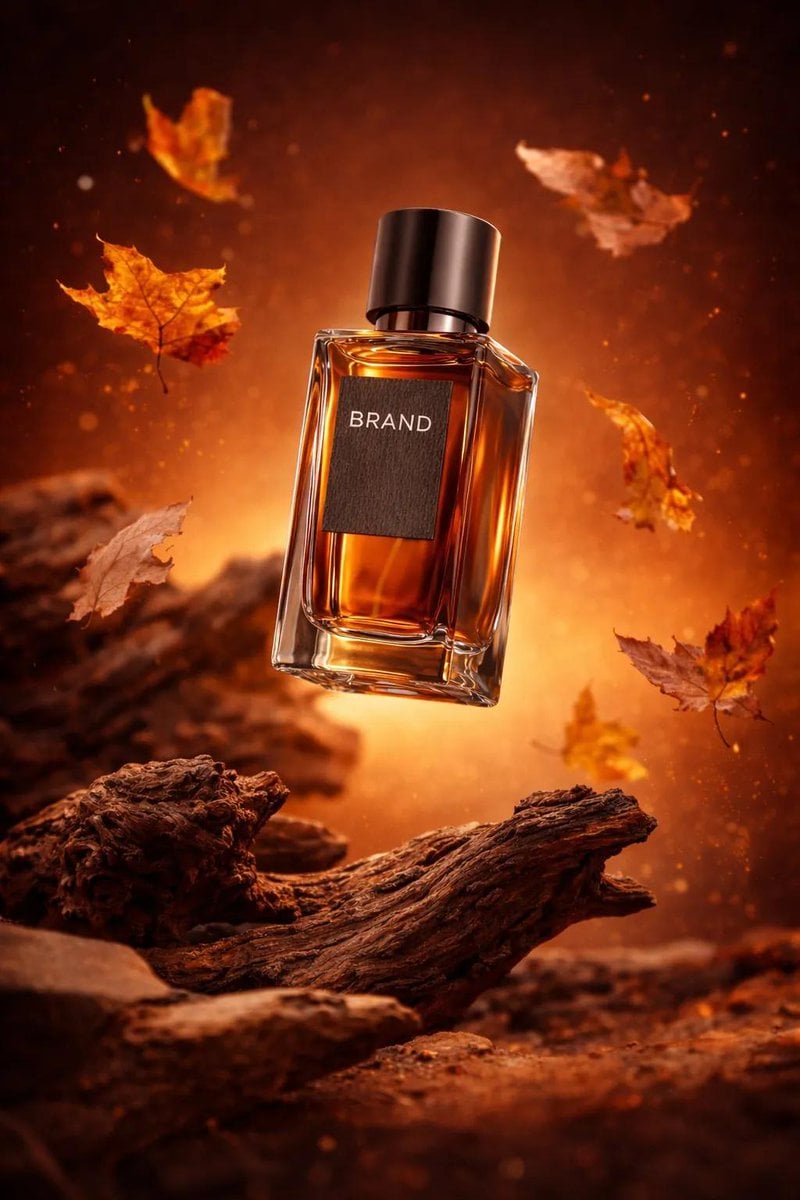
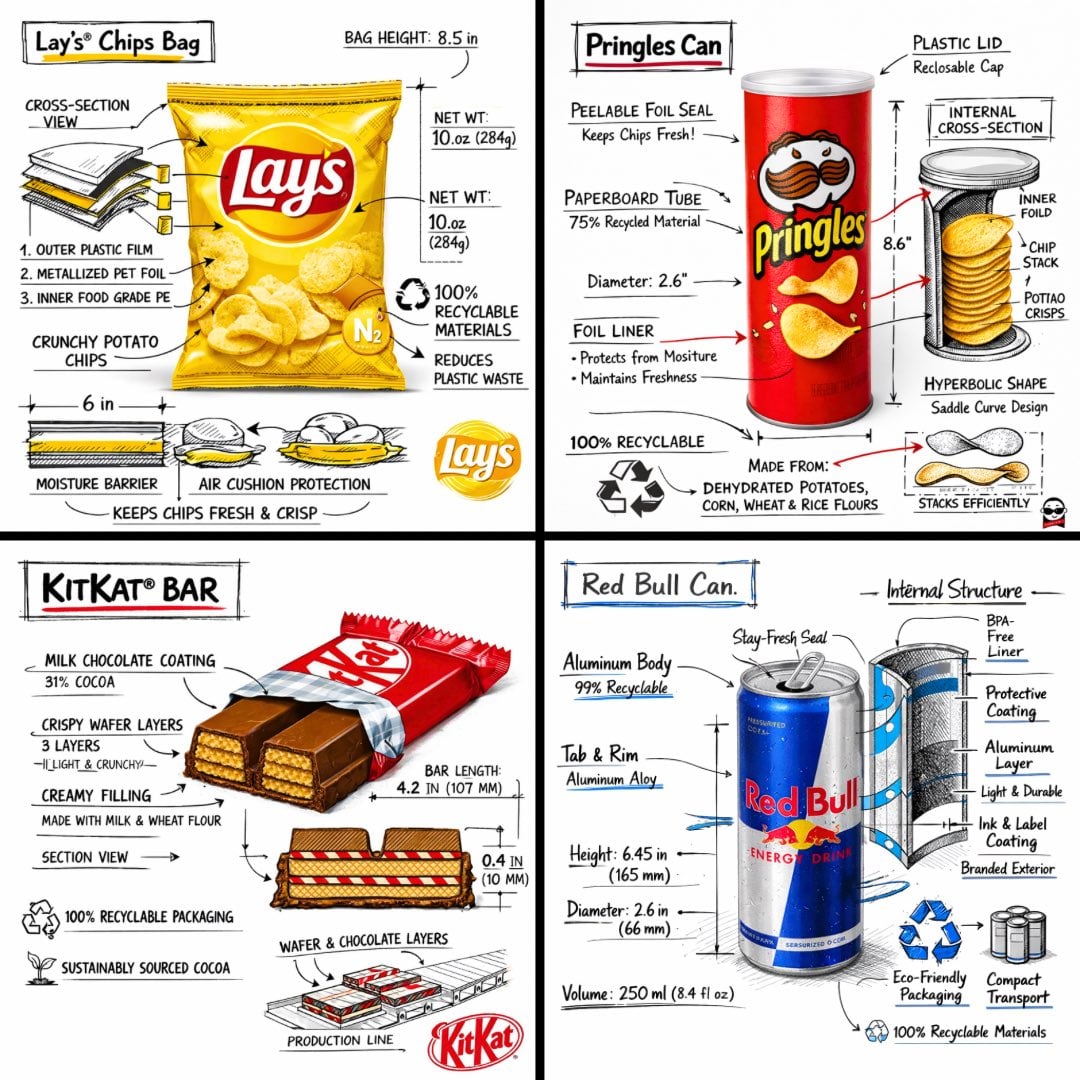
Create a high-aesthetic, high-fidelity "Brand Packaging System Showcase" for brand [Brand Name], category [Category]. This is not a plain white-background e-commerce image or a single product shot, but a brand proposal-style, visual-identity-system-feel, commercial-photography-quality packaging family display. The image must convey "the unified implementation of the same brand across multiple packaging carriers", presenting the complete packaging system of a mature consumer brand.

[Format Requirements]
The overall composition must be a fixed 4:5 vertical poster layout. The orientation must be clearly vertical. Horizontal composition, wide desktop display, or overly dispersed horizontal arrangements are prohibited. The composition must follow poster reading logic: breathing space at the top, the main visual focus of the brand packaging system in the middle, and auxiliary packaging, labels, and the actual product itself at the bottom. The overall focal point should be centralized, making it suitable for direct release as a brand showcase poster.

[Core Requirements]
Automatically match the most reasonable and natural packaging combination and product form based on 【Category】. Build a unified brand visual system around the brand name 【Brand Name】. The image should select a small but representative set of packaging forms to form a complete yet refined brand packaging system. Do not pursue quantity; emphasize hierarchy, brand unity, and display aesthetics. Reasonably choose a subset of the following packaging types based on the category: shopping bags / carrier bags, paper boxes / gift boxes / outer boxes, long boxes / single-item boxes / set boxes, packaging pouches / sleeves / sample bags / soft bags, cups / bottles / jars / tube containers / spray bottles / pump bottles, labels / stickers / seals / hang tags / small cards, and the actual product itself corresponding to the category.

[Category Adaptation Logic]
The packaging forms and product types must automatically adapt based on 【Category】, but are not limited to a single direction. Reference the following adaptation logic freely: if the category is Food / Bakery / Snacks / Beverages, focus on paper bags, paper boxes, packaging pouches, cups, food containers, stickers, seals, and the actual product itself; if the category is Tea / Coffee / Drinks, focus on cups, bottles, canned packaging, carrier bags, cup sleeves, lid seals, gift boxes, etc.; if the category is Cosmetics / Skincare / Makeup / Perfume, focus on bottles, jars, tubes, boxes, gift boxes, carrier bags, sample packaging, etc.; if the category is Fragrance / Home / Lifestyle, focus on fragrance bottles, candle cups, packaging boxes, gift boxes, carrier bags, hang tags, label cards, etc.; if the category is Apparel / Accessories / Trendy Toys / Creative Stationery, focus on packaging boxes, drawer boxes, dust bags, carrier bags, stickers, hang tags, accessory packaging, etc.; if the category is Digital Accessories / Tools / Small Consumer Goods, focus on hard boxes, outer boxes, storage pouches, instruction cards, stickers, sleeves, labels, etc. The overall effect must be "category-appropriate, brand-unified, and system-complete".

[Quantity & Density Control]
Control the number of objects in the image. Do not over-stack or display every possible packaging form. Present a "few but precise, complete yet uncrowded" brand packaging system. Select the most representative packaging carriers: 1–2 large packaging items, 2–3 medium packaging items, 2–4 small packaging items or auxiliary objects, and 1–3 actual product items. Total visible elements should be controlled between 6–10. Packaging types should show hierarchy and system cohesion, but avoid excessive repetition of similar items. Ensure sufficient white space and breathing room so each package is clearly visible, with clear priorities and relaxed placement. Better to have fewer but refined items than to overfill for the sake of "completeness".

[Brand Visual System Requirements]
All packaging must belong to the same brand system, using 【Brand Name】 as the core brand identifier. The overall image should have consistent logo / mark presentation, typography style, graphic language, illustration style or pattern system, layout logic, color scheme, and material/print texture. Brand tone, color direction, pattern elements, auxiliary graphics, and visual atmosphere should automatically match 【Category】 and be reasonably developed, not limited to any fixed style. The overall style must be unified, coordinated, and brand-recognizable. It can be minimalist and premium, natural and organic, modern and fashionable, light luxury and refined, youthful and fresh, artistic, trendy and edgy, or classic and elegant, but must fit the 【Category】 and show the design completion of a mature brand.

[Color Scheme Mechanism Requirements]
The overall color scheme should not be locked into a fixed combination, and should not repeatedly produce highly similar dominant colors. Each generation should actively form a different main color scheme and color relationship based on 【Category】 and brand temperament, using a "controlled divergence" method. Colors can be low-saturation neutrals, modern neutrals, light retro tones, bright fresh tones, dark light-luxury tones, or artistic composite palettes, but must remain sophisticated, unified, restrained, and brand-like. Allow different visual temperaments for each generation, such as cream white & caramel brown, misty gray-blue & warm white, olive green & linen beige, wine red & cream white, cocoa brown & ivory white, charcoal gray & wheat gold, dusty rose gray & off-white, navy blue & warm gray, etc. These are reference directions, not fixed templates. No fluorescent colors, no cheap high saturation, no messy uncontrolled multicolor collage.

[Image Composition & Display Requirements]
The image follows a brand packaging family display logic, not a cluttered heap. Use a commercial photography studio setting with a 3/4 slight top-down view or a slightly perspective front-facing arrangement to create a layered, orderly, prioritized packaging display. Composition logic: place 1–2 larger packaging items (e.g., carrier bag, large gift box, large outer box) in the back as visual support; medium items (core packaging or flagship item packaging) in the mid-ground as the main visual focus; small items, auxiliary packaging, labels, stickers, and the actual product in the foreground. At least one actual product must interact naturally with packaging (e.g., half-exposed, placed in front of packaging, or displayed in combination). Overall form a balanced, design-savvy triangular or staggered composition. The image should be clean, with white space, not crowded. The content is rich but restrained, using a limited but precise packaging combination to reflect a complete brand packaging ecosystem.

[Visual Style Requirements]
Present high-end commercial photography quality and brand proposal feel. The background should be a clean studio environment—white, warm white, light gray, or a minimalist background automatically matched to the brand tone. The image must emphasize realistic packaging material expression: clear paper folds, box structures, bottle and jar contours, label details, print texture, embossing / hot stamping / matte / cotton paper texture / kraft paper texture, etc. Combine unified, sophisticated color pairings with a refined, modern, clean brand visual language and a strong sense of "this is a complete brand packaging system".

[Lighting Requirements]
Use real commercial-grade lighting: either soft studio lighting or natural side light with a slight direction. There must be clear but restrained shadows to enhance three-dimensionality, spatial depth, and sophistication. Overall the light should be translucent, bright, and clean—no darkness, no cheap feel, no messy background.

[Final Effect Requirements]
The final image should look like a mature brand's packaging system showcase poster, packaging family proposal, or brand visual execution showcase—not a scattered product collage. Key emphases: fixed 4:5 vertical poster format, brand unity, packaging family completeness, commercial photography feel, design proposal sense, category appropriateness, and high aesthetics and visual completion.